News about reuse and plastic waste prevention
December 1, 2025

Featured
New Global Reuse Survey Reveals Industry Momentum—But Urgent Policy Action is Needed |
|

|
REUSE Foundation’s 2025 Reuse Practitioners Survey surveyed reuse-focused companies across 25 countries, the first global look at the frontlines of the reuse economy.
Key insights: ✅ Innovation is thriving: Businesses are developing solutions across household care, personal care, beauty, refill technologies, and reverse logistics. ✅ Mission-driven entrepreneurs: Practitioners are motivated by the environmental imperative to stop plastic waste at the source. ✅ Growth is constrained: 70% of respondents say stronger policy supportwould help growth, yet many face slow or confusing regulations. ✅ Collaboration matters: 77% of companies want to work together, sharing lessons to scale impact. Yet, entrenched single-use systems and low-cost linear supply chains make scaling reuse solutions challenging. As Roger Sharp, REUSE Foundation trustee, notes: "Reuse is one of the most effective ways to cut plastic waste, but the businesses delivering these solutions are being left to do it alone." Get more details and download the full report here.[Image Credit: © REUSE Foundation] |
Highlights
Leading Brands Advance Circular Models |
|
|
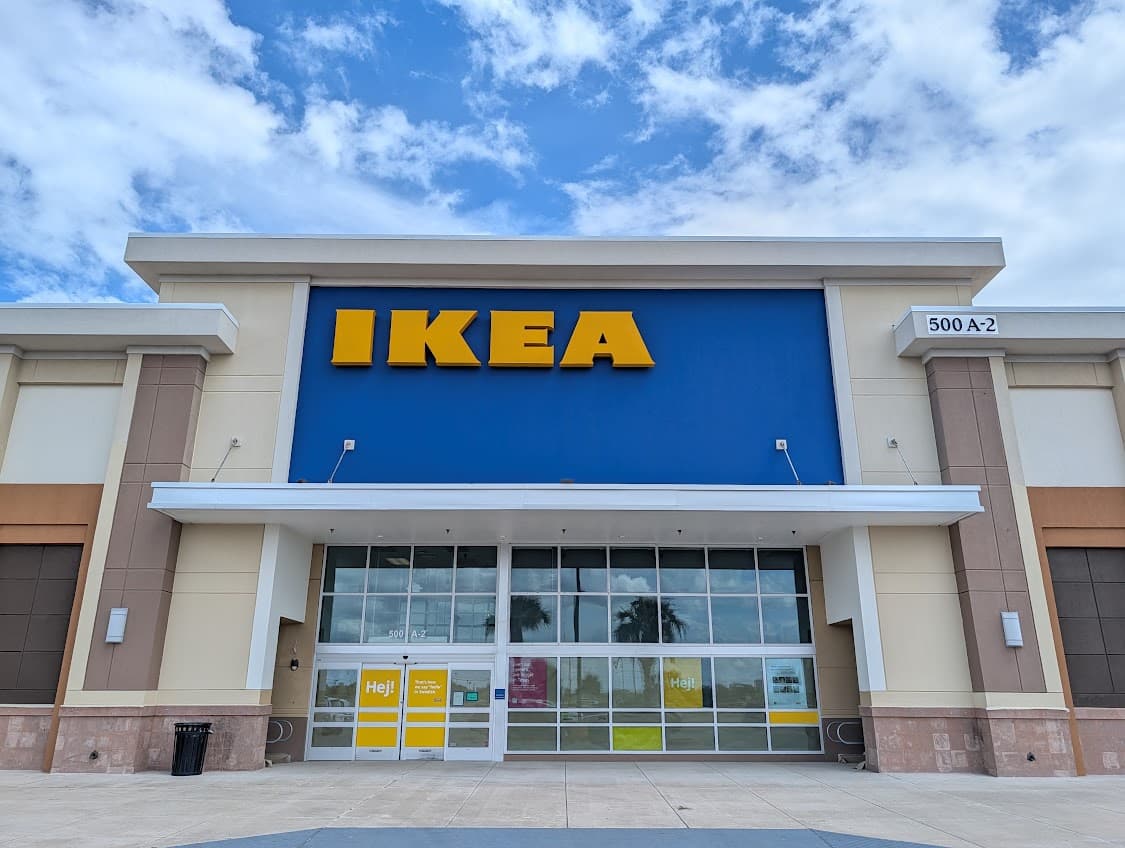
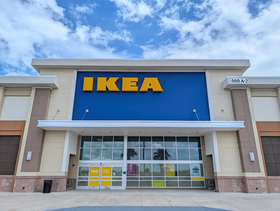
Ten major consumer brands are incorporating circular economy principles into their business models, reducing plastic waste by shifting from single-use packaging to reuse schemes, improving recyclability and integrating more recycled content into products. Many have introduced refill systems, repair initiatives or programs that help keep materials in circulation longer. In June, L’Oréal launched #JoinTheRefillMovement across its divisions, aimed at making refills mainstream, with refill stations and fountains, as well as pouches and pods for home at-home refills. Unilever claims to have run over 50 refill pilot projects since 2018, sharing findings to support broader change, and founded the CIRCLE Alliance to help entrepreneurs scale circular solutions.[Image Credit: © Inter IKEA Systems B.V.]
|
Consumers Push Back On Higher Prices For Sustainable Products |
|

|
A new survey from Australia and New Zealand finds that almost two-thirds of consumers are unwilling to pay higher prices for sustainable products, even though most say environmental action is important. Brands relying on a “green premium” may struggle and will likely need cost-competitive sustainable packaging solutions, such as cheaper refill systems, more efficient recycling, or lower-cost recycled materials. Three-quarters Australians and two-thirds of New Zealanders say government regulation should step in if companies fail to implement stronger voluntary action on sustainability.[Image Credit: © gonghuimin468 from Pixabay]
|
Kenya Encouraged To Expand Reuse Systems |
|

|
Government agencies, environmental groups and industry representatives in Kenya are calling for wider adoption of refill and reuse packaging systems to cut plastic waste. Speakers at a two-day Refill and Reuse Festival noted that reliance on single-use plastics continues to strain municipal waste systems and create environmental pollution. Proposed approaches include standardized refill stations, reusable containers for food and household goods, and incentives that support businesses during the transition. [Image Credit: © Greenpeace International]
|
California Expands Packaging Waste Reporting |
|
|
California is forcing major plastic packaging producers to publicly report how much packaging becomes waste, supporting state recycling and extended producer responsibility programs by improving transparency and helping officials identify problem materials. Companies will need to collect and disclose data across supply chains, which may reveal low recovery rates for certain single-use packaging. [Image Credit: © Tyli Jura from Pixabay]
|
EcoSurety Acquisition Strengthens UK Refill Growth |
|
|
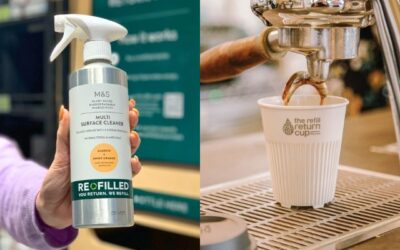
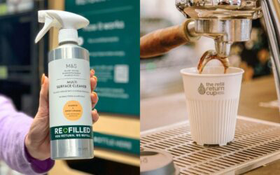
UK compliance and recycling firm Ecosurety acquired City to Sea’s digital Refill Return platform, which connects consumers to businesses offering refill and reuse services. It helps track engagement, supports returnable packaging systems and provides real-time data on waste reduction. Campaign organization City to Sea City launched the app in 2016 but closed its doors in September.[Image Credit: © City to Sea]
|
Automated Refills Advance Plastic-Free Retail |
|
|
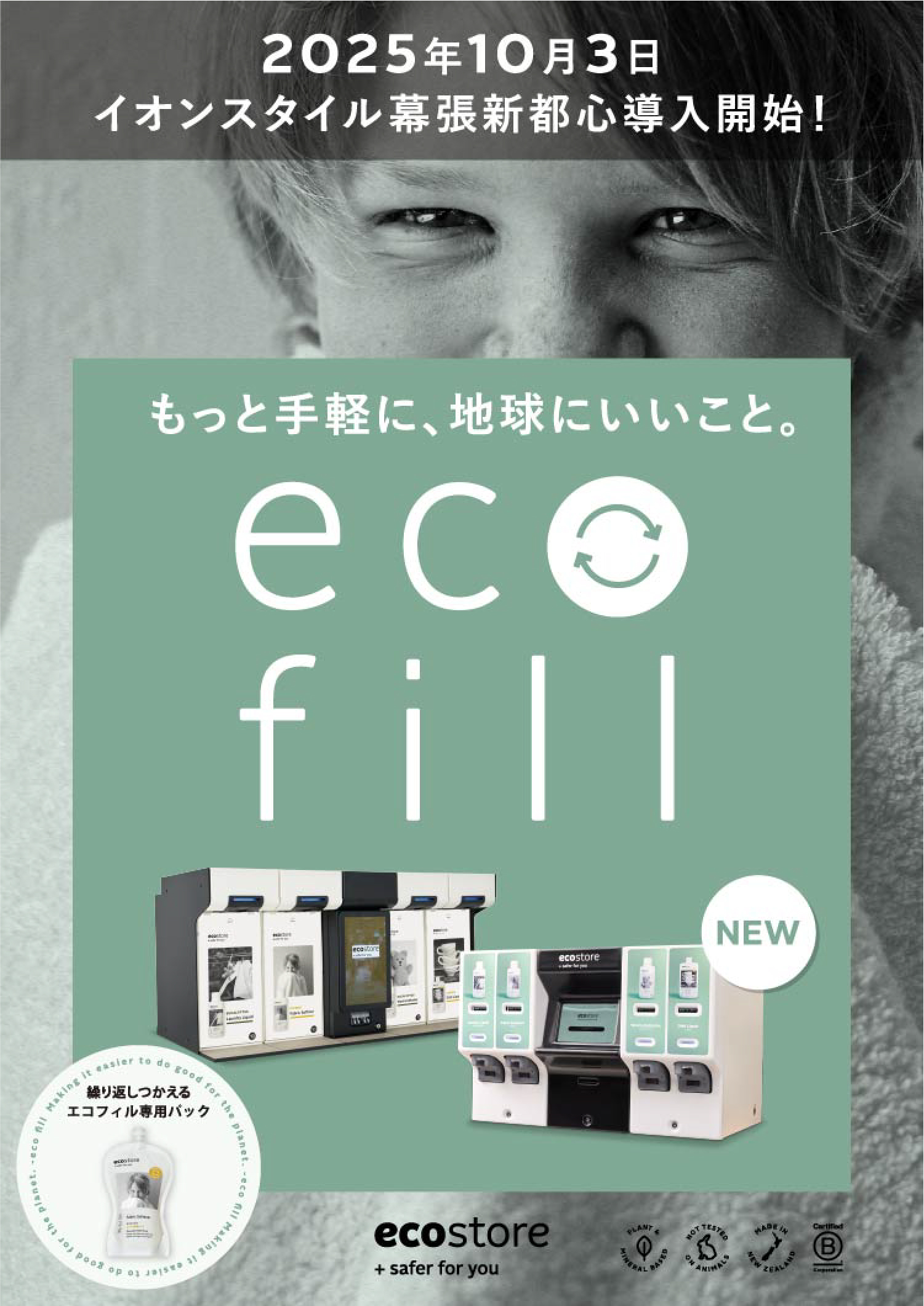
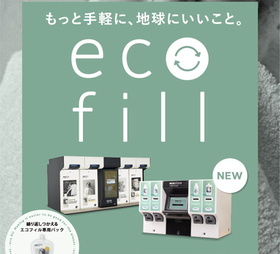
Ecostore Japan’s “Ecofill” automated detergent refill system at the Aeon Style Makuhari New City store is a step up from traditional manual refill stations. It uses Near Field Communication technology to link reusable refill packs to individual customers, enabling smart data tracking and personalisation opportunities. Foldable refill pouches replace rigid bottles for improved portability. Ecofill is currently suitable for laundry detergent, fabric softener, wool wash and dishwashing liquid, in 500ml and 1L refills. Customers buy the reusable refill pouches, which can be reused multiple times. [Image Credit: © ecostore JAPAN Ltd.]
|
Henkel Partners On New Materials To Replace Fossil-Based Plastics |
|
|
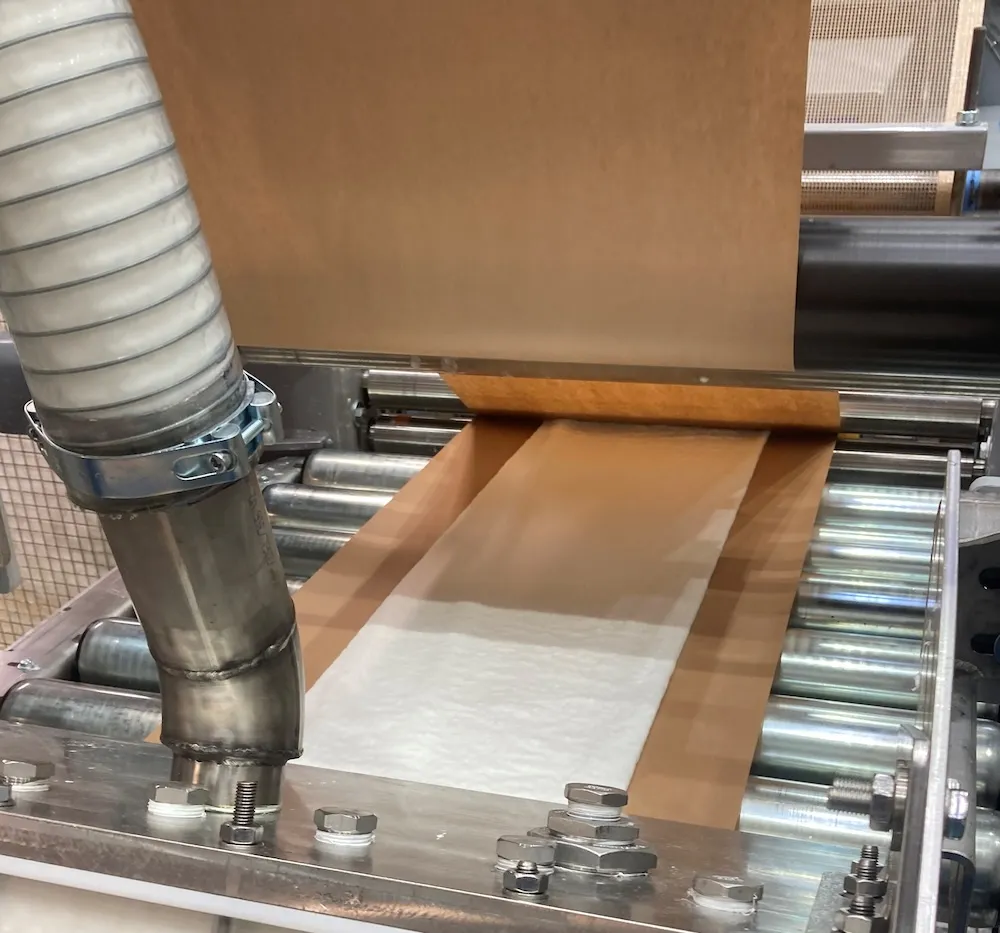
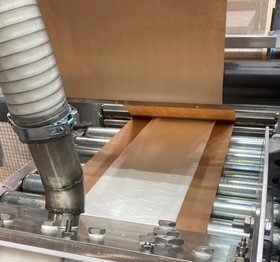
Henkel and Finland’s VTT developed a new bio-based packaging material aimed at reducing reliance on fossil-fuel plastics. The aim was to create a lightweight, recyclable foam material from wood fiber, able to perform similarly to traditional plastics while supporting recyclability and lowering environmental impact.[Image Credit: © VTT Technical Research Centre of Finland Ltd.] |
New Branding Highlights Eco Packaging |
|
|
Johnson’s Baby launched a refreshed brand identity that includes packaging changes aimed at reducing environmental impact. The company is offering refills and bottles made with 50% recycled plastic and is promoting the message “Better for Baby, Better for Mum, Better for the Planet.” [Image Credit: © Kenvue Brands LLC] |
Poor Targets Carry Financial Risk |
|
|
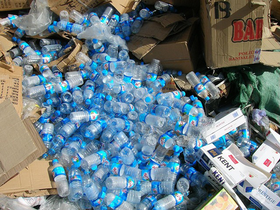
A new report from Planet Tracker and the Morgan Stanley Capital International Institute says FMCG companies that are slow to reduce plastic could face billions of dollars in future liabilities, including regulatory penalties, compliance costs and potential litigation. There is significant reputational risk too. The analysis points out that governments are increasing oversight of packaging, especially single-use plastics, and companies without credible action plans may struggle as new rules come into force. The report encourages businesses to accelerate recyclable design, reduce unnecessary packaging and expand reuse programs. [Image Credit: © Karl Allen Lugmayer from Pixabay]
|
P&G Packaging Claims Face Legal Scrutiny |
|

|
A US lawsuit alleges misleading recyclability claims on P&G’s Kids Crest toothpaste packaging is proceeding in court, despite attempts by P&G to have the case dismissed. Plaintiffs argue that the packaging was labeled as recyclable even though many facilities could not process it. The case reflects a broader trend of legal action targeting inaccurate environmental marketing. If successful, it could influence labeling practices across the personal-care sector, pushing companies to ensure recyclability claims match real-world recycling conditions. [Image Credit: © Procter & Gamble]
|
Major Brands Support Global Reduction Plan |
|
|
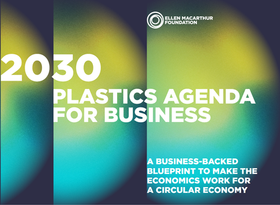
Nestlé, PepsiCo and Unilever are among companies endorsing an international roadmap calling for major cuts in plastic production and waste by 2030. Ellen MacArthur Foundation’s “2030 Plastics Agenda for Business” focuses on providing a set of harmonised and enforceable rules to support waste prevention, reuse and refill systems, and extended producer responsibility and deposit return schemes at scale. These policies are seen as critical elements for reducing single-use plastics and increasing high-quality recycling.[Image Credit: © Ellen MacArthur Foundation]
|
Strategies To Strengthen Circular Retail |
|

|
A new industry report outlines eight practical strategies retailers and brands can adopt to advance circular business models and cut packaging waste. These include expanding refill systems and promoting repurposing, repair, resale and rental schemes. The Circana report highlights the financial opportunity of reduced material costs and improved customer loyalty.[Image Credit: © Cottonbro via Pexels] |
Report Shows Progress And New Goals |
|

|
SC Johnson says that Ellen MacArthur Foundation’s Global Commitment 2025 Progress Report recognizes SC Johnson for meeting several of its 2025 packaging commitments, including improvements in recycled content and recyclability. The company also released new 2030 goals that expand its focus on refill systems and reductions in virgin plastic use. [Image Credit: © nicholasrobb1989 from Pixabay] |