News about reuse and plastic waste prevention
November 1, 2025

Highlights
Colgate, Watsons Launch Take-Back Program |
|

|
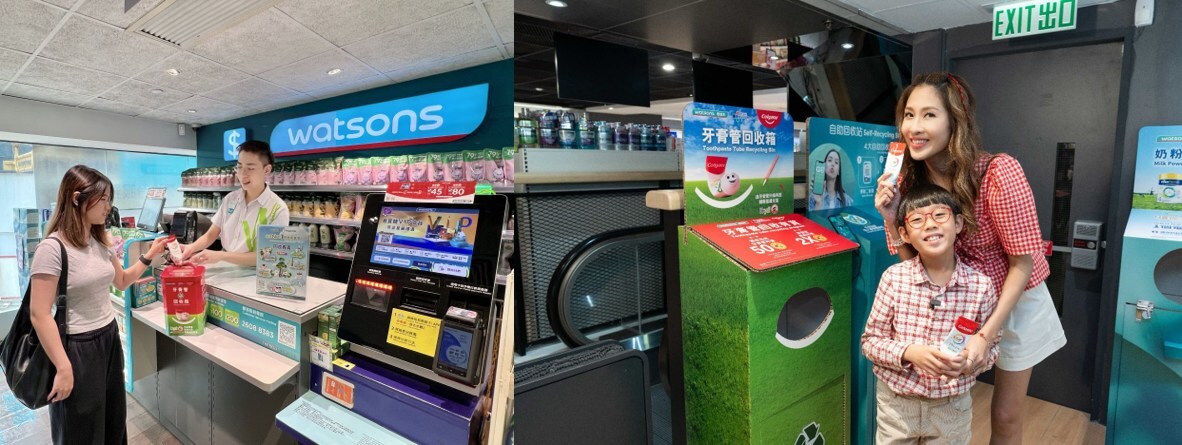
Colgate and Watsons partnered on the “Small Acts, Big Smiles” program, encouraging customers across Hong Kong to return used oral care packaging for recycling. It includes in-store collection points and aims to keep hard-to-recycle plastics out of landfills. [Image Credit: © Colgate x Watsons ]
|
P&G Progresses Toward 2030 Packaging Goals |
|
|
Procter & Gamble reported steady progress toward its 2030 packaging sustainability goals, despite persistent challenges in eliminating flexible plastics. During its annual shareholder meeting, a proposal urging stronger commitments on flexible packaging failed to gain approval, but the company reaffirmed its dedication to reducing virgin plastic use and expanding recyclable formats. P&G says it continues to invest in material innovation and circular systems to meet consumer and environmental expectations. [Image Credit: © Procter & Gamble]
|
Henkel Showcases Circular Packaging Innovations |
|
|
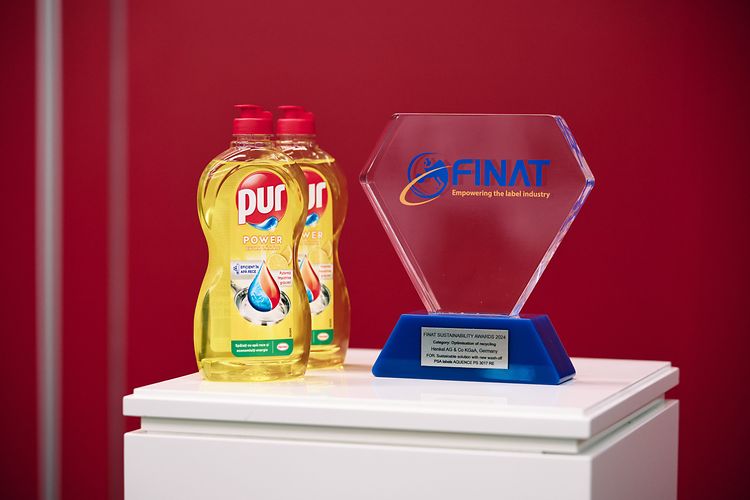
At industry events in Barcelona and Utrecht, Henkel unveiled a range of circular packaging solutions aimed at closing the loop on plastic use. Displays featured refill systems, recycled-content packaging and innovative adhesives that improve recyclability. Henkel emphasized collaboration with partners across the value chain to achieve full circularity and reduce dependency on virgin plastic. [Image Credit: © Henkel AG & Co. KGaA]
|
Amcor’s Refillable Shampoo Stick Improves Recyclability |
|
|
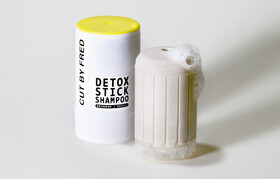
Amcor partnered with French brand Cut by Fred to introduce a refillable shampoo stick designed to eliminate single-use plastic. Made from PP, Amcor says the stick and refill are recyclable, and the refillable pack fits into the original packaging. Cut’s original packaging required users to melt a refill in a microwave before transferring it to the container, which had to be put in fridge to solidify.[Image Credit: © Amcor plc ]
|
P&G Advances Eco Packaging Partnerships |
|
|
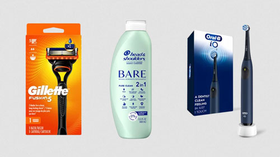
Procter & Gamble is highlighting its ongoing collaborations with organizations such as WWF to accelerate sustainable packaging innovation. Through new material trials, circular economy partnerships and improved recyclability standards, P&G aims to reduce plastic waste and boost transparency in its supply chain. It’s testing refill formats and paper-based alternatives while developing packaging that’s easier to recover and reuse. [Image Credit: © Procter & Gamble]
|
Smartfill Dispensers Cut Plastic And Prices |
|

|
Smartfill’s refill dispensers in South Africa’s township shops allow customers to buy essentials in precise amounts at prices up to 50% lower than major supermarkets. The system targets the informal sector, a significant channel for the country’s FMCG sector. Smartfill aims to work with the spaza shops rather than compete against them.[Image Credit: © Smartfill] |
UK Plastic Waste Exports Surge 84% |
|
.jpg?width=280)
|
New data reveals that the UK’s plastic waste exports to developing nations jumped 84% in a single year, much ending up in countries lacking proper recycling infrastructure, especially Indonesia and Malaysia, increasing the risk of pollution and illegal dumping. Critics argue this undermines the UK’s domestic recycling commitments and shifts the burden to poorer regions. Campaigners are calling for tighter export regulations and investment in onshore recycling, similar to the ban the EU is implementing from next year. [Image Credit: © vianet ramos on Unsplash]
|
P&G And Lindner Advance Plastic Recycling |
|
|
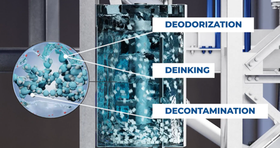
Procter & Gamble and Lindner Group unveiled Flexloop, a solvent-based recycling system designed to clean and reuse polyolefin films without degrading their quality. Developed from P&G’s lab innovations, Flexloop removes contaminants, inks and odors from used packaging, producing high-purity recycled plastic. The modular system integrates with existing recycling lines, offering recyclers an alternative to conventional mechanical recycling. [Image Credit: © Lindner/Procter & Gamble]
|
Henkel Promotes Smart Packaging Efficiency |
|
|
Henkel’s new white paper, ‘If It Doesn’t Fit, It Doesn’t Exist’, introduces Right-Sized Packaging, a customizable, automated solution for e-commerce sustainability. By tailoring packaging to product dimensions, companies can reduce empty space, filler use, CO₂ emissions and shipping costs while complying with EU waste reduction goals. Henkel emphasizes the role of advanced hot melt adhesives, which enable strong, recyclable and energy-efficient seals. Case studies show up to 52% adhesive and 42% energy savings. The white paper guides businesses on achieving cost-effective, eco-friendly packaging processes that enhance customer satisfaction.[Image Credit: © Henkel AG & Co. KGaA]
|
California’s EPR Program Faces Regulatory Confusion |
|
|
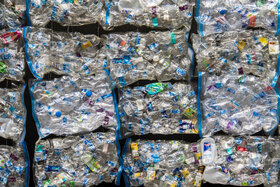
California’s Extended Producer Responsibility law continues to face regulatory uncertainty. Stakeholders from government, industry and environmental groups are struggling to align on implementation rules for SB 54. Businesses are wary of unclear compliance expectations and potential cost impacts. Despite the confusion, the initiative is seen as a landmark step toward producer-led plastic reduction in the United States.[Image Credit: © Nick Fewings on Unsplash]
|
Luxe Pack Showcases Eco Packaging Breakthroughs |
|

|
At Luxe Pack Monaco 2025, luxury brands unveiled cutting-edge packaging innovations focused on sustainability. Highlights included refillable perfume systems, recyclable bioplastics and compostable alternatives for cosmetics. Many exhibitors emphasized the balance between premium aesthetics and environmental responsibility. By embedding eco-design into high-end products, brands signal that sustainability is no longer a niche concern but a defining factor in the future of beauty packaging.[Image Credit: © AptarGroup, Inc.] |
SC Johnson CEO Calls for Plastic Regulation |
|

|
In an interview, SC Johnson CEO Fisk Johnson urged governments to impose stronger regulations on plastic waste, arguing that voluntary efforts alone cannot solve the crisis. Johnson emphasized that consistent global rules would help level the playing field and accelerate corporate investment in recycling and reuse systems. The company has introduced several refill initiatives but says systemic change requires policy intervention. [Image Credit: © S.C. Johnson & Son, Inc.]
|
Refill Shopping Gains Ground |
|
|
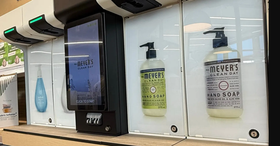
SC Johnson is encouraging consumers to “put refills on their shopping list” through a blog campaign promoting reusable packaging for household staples. The company spotlights its refill-ready brands like Windex and Mrs. Meyer’s as part of a wider move to normalize refill culture. By connecting everyday consumer habits to environmental impact, the campaign aims to help consumers bridge the between gap intent and action, arguing that refill systems aren’t usually built with “real life in mind”, after “decades of designing products for single use”.[Image Credit: © S.C. Johnson & Son, Inc.]
|