News about reuse and plastic waste prevention

Featured
REUSE GETS THE BEAUTY TREATMENT |
|
|
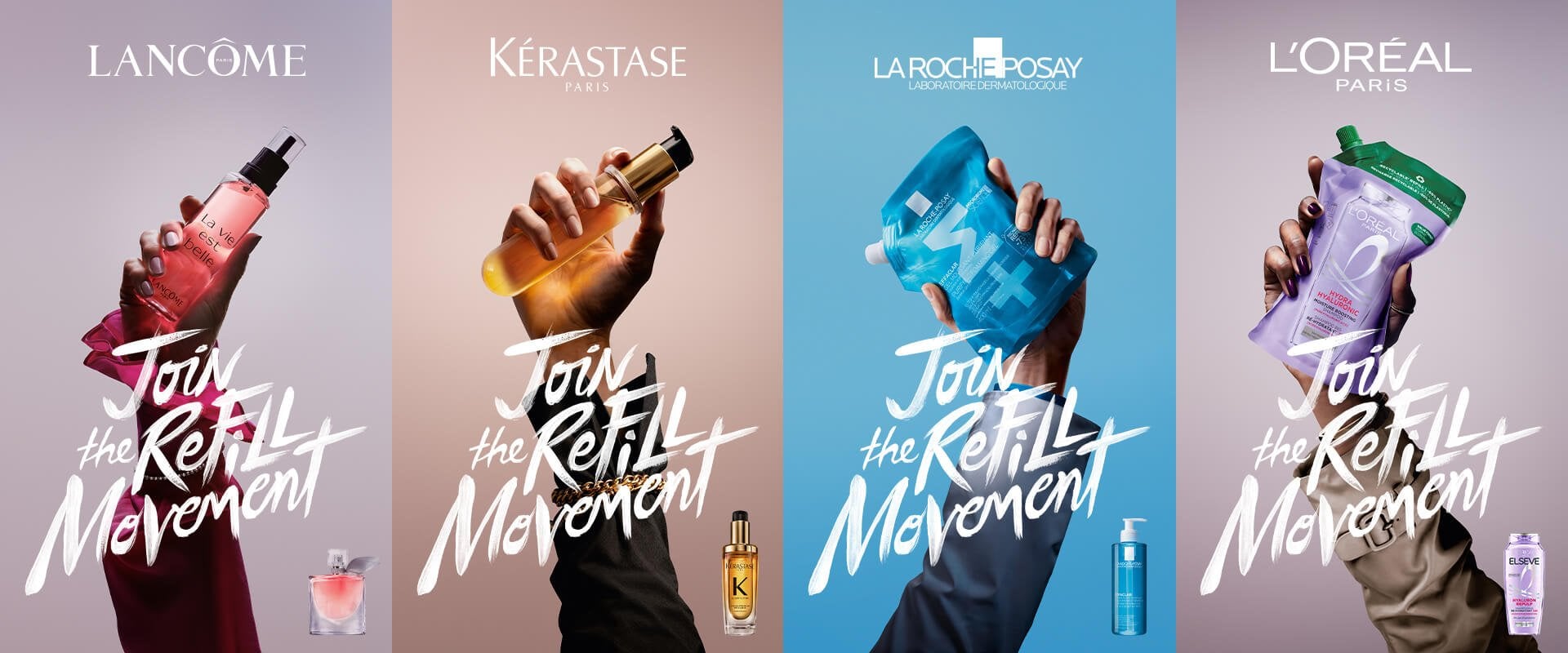
This month’s newsletter features several examples of the growing market for refillable personal care products and cosmetics. On World Refill Day (16 June, in case you missed it),L'Oréal launched its biggest ever campaign for #jointherefillmovement– 28 of its products, across 18 brands including YSL, are now available in refillable packaging.
Luxury brand Yves Rocher is also increasing its refill offering, while Estee Lauderindicated it is seeking to switch its small-format sample packaging from plastic to paper. Crucially, L'Oréal views the transition to reuse as a commercial opportunity. This perspective was supported by research across six European countries, which found that 66% of respondents had bought a refill pouch for shower, hair or handwash products in the last year. Their main reason: affordability, with a widely held consumer view that refills should cost less than single-use packaging. Refill pouches use less plastic than typical bottles, but it’s important that pouches are manufactured from materials that can be easily and reliably recovered. It’s therefore significant that L'Oréal is the founding partner in a field trial in California focused on recovery of small-format plastics, ahead of a new EPR law coming into force next January. These laws were the focus of a 2026 guide from Beauty Packaging magazine, which reports on how who are driving significant changes in brand packaging decisions. Normalising reuse and refill in the beauty and personal care sectors would be a major step in reducing single-use plastics – both in direct terms and by driving a behavioural change. Read more below.[Image Credit: © L’Oréal] |
Highlights
EU Adopts New Rules For PET Bottle Recycling |
|

|
New rules adopted in Europe at the end of June cover how single-use PET beverage bottles are recycled. For the first time, there’s a methodology for calculating, verifying and reporting recycled content, applying to both mechanical and chemical recycling technologies. Measures form part of the European Commission's December 2025 plastics package and aims to help member states reach recycled-content targets under the Single-Use Plastics Directive. [Image Credit: © Directorate-General for Communication European Commission]
|
New Laws Compel Firms To Address Toughest Plastics |
|
|
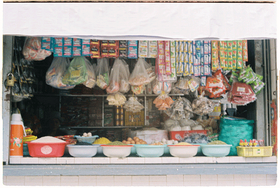
Bags, wraps and flexible plastic packaging remain among the hardest materials to recycle, prompting new regulations across Europe, England and California. Under EU rules, most flexible packaging must contain minimum recycled content by 2030, while England will require councils to collect plastic films and bags from household bins starting March 2027. California is targeting a 65% recycling rate for single-use packaging by 2032. Flexible and multilayer plastics make up 58% of plastic packaging but less than 4% is recycled formally, according to Pew Charitable Trusts, which also says flexible and multilayer plastics represent 80% of municipal solid waste plastic leaking into oceans. Unilever's packaging head, Pablo Costa, said, “Flexible packaging is hard to collect and hard to recycle.”[Image Credit: © Minol Song on Pexels]
|
EU Retailers Seek Grace Period For PPWR Rules |
|
|
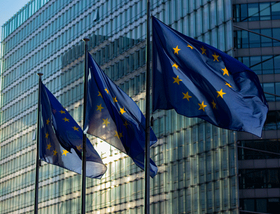
Trade association EuroCommerce, representing retailers and wholesalers across the EU, wants a 12-month grace period once the bloc's Packaging and Packaging Waste Regulation begins in August. The new rules include elements such as recyclability requirements and reuse targets phased through 2030. EuroCommerce’s statement cites unresolved questions including PFAS.[Image Credit: © Marco on Pexels] |
States, Trade Group Challenge California's Plastic Packaging Law |
|
|
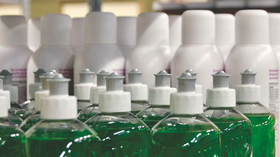
Led by Nebraska Attorney General Mike Hilgers, a coalition of 17 states together with the National Association of Wholesaler-Distributors filed a lawsuit in federal court seeking to block California's Plastic Pollution Prevention and Packaging Producer Responsibility Act. It argues that regulations requiring companies to reduce single-use plastics and make packaging recyclable or compostable are “onerous mandates” that raise costs for consumers. Hilgers said, “if California goes unchecked, consumers will be forced to pay more for basic necessities.” [Image Credit: © Matthias Zomer on Pexels]
|
Australians Back National Recycling Rules In New Survey |
|
|
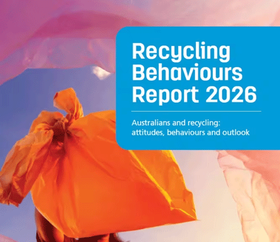
Cleanaway’s 2026 Recycling Behaviours Report, based on a survey of 1,000 Australians, finds strong public support for national packaging reform. 94% backed a circular economy for packaging, with 92% supporting national rules for recycled content in plastic packaging and 89% calling for manufacturers and brands to face stronger obligations to reduce waste. Nearly two-thirds feel misled by packaging that appeared recyclable but was not accepted in existing systems.[Image Credit: © Cleanaway] |
YSL Beauty Brings Refillable Luxury Products To Market |
|
|
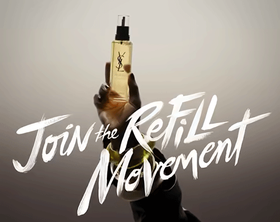
YSL Beauty is promoting refillable packaging as part of a broader push by parent company L’Oréal toward sustainable beauty formats. It positions YSL as part of L’Oréal’s wider strategy, which includes its #jointherefillmovement campaign and investment in refill infrastructure across markets. Adoption at the luxury end of the market is seen as potentially influential in normalizing refill systems.[Image Credit: © YSL Beauty] |
Amcor Study Finds Refill Packaging Established In Personal Care |
|

|
New consumer research from Amcor across six European countries, finds refill packaging well established in personal care categories including shower products, haircare and handwash. Refill pouches are the leading format: 66% of respondents report a purchase in the past 12 months. Affordability is the strongest driver of future adoption. 86% expect refill products to cost less than single-use packaging. Distribution and visibility in stores remain key barriers, but European regulations including the PPWR are expected to accelerate the shift toward refill formats.[Image Credit: © Amcor plc]
|
P&G, Others Outline Packaging Recycling Approaches |
|
|
On the first day of the Packaging Recycling Summit in Rosemont, Illinois, speakers from Procter & Gamble and Estee Lauder described their strategies for improving packaging recyclability. P&G’s Teo Medellin said technologies like LAZRmark and FlexLoop apply cleaning processes to remove contaminants from plastics in the recycling stream. Estee Lauder’s Ken Laverdure described switching small-format sample packaging from plastic to a flat paper solution compatible with paper recycling streams. [Image Credit: © PMMI Media Group]
|
Lawsuit Argues California SB 54 Regulations Fall Short Of Law |
|

|
A challenge to California’s SB 54 plastic packaging regulations argues that they fail to go far enough. Oceana, Californians Against Waste and the Natural Resources Defense Council filed a lawsuit, arguing that they create loopholes in violation of the original statute. Legal commentators note that compliance obligations remain in place regardless of pending litigation. [Image Credit: © Benesch Friedlander Coplan & Aronoff LLP]
|
California Tests Recovery of Small Plastics Before EPR Deadline |
|
.png?width=280)
|
Closed Loop Partners’ Center for the Circular Economy will be field testing in California to recover small-format plastics like bottle caps and condiment sachets that routinely slip through standard sorting equipment at material recovery facilities. L’Oréal is the founding partner, supported by Kraft Heinz and CVS Health, to get ahead of SB 54, the state’s EPR law, which is due to take full effect from January. Learnings are intended to inform a statewide roadmap for producers, recyclers and municipalities to build scalable systems for capturing small-format packaging.[Image Credit: © Closed Loop Partners]
|
Yves Rocher Expands Refillable Shampoo Range |
|
|
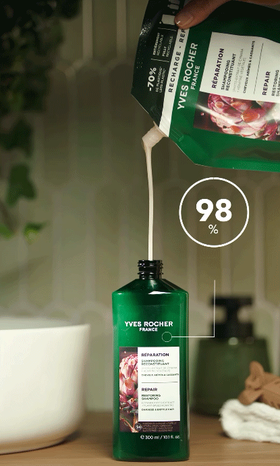
French beauty brand Yves Rocher is extending its refillable shampoo line with a new 600ml flexible pouch format, designed for use alongside reusable bottles already available in the range. Yves Rocher positioned refillable products as a central part of its sustainability offer and the expansion builds on existing refill formats available in its retail stores and online shop. [Image Credit: © Yves Rocher/Instagram from Meta] |
L’Oréal Launches Global Campaign To Promote Refillable Beauty |
|
|
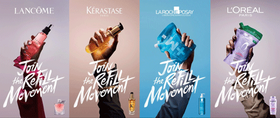
L’Oréal’s largest-ever campaign for refillable beauty products covers four Divisions, 18 brands and 28 products. It’s timed with World Refill Day on June 16 and includes skincare, fragrance, makeup and haircare, across multiple markets and media channels. L’Oréal frames refillable packaging as both an environmental priority and a commercial opportunity, linking it to its product design and packaging innovation programs.[Image Credit: © L’Oréal]
|
P&G Backs New Fund To Increase Consumer Recycling Participation |
|

|
Procter & Gamble is backing The Recycling Partnership’s Recycling Participation Fund in the US, designed to address what the organization describes as a critical gap: more than half of recyclable material is not collected for recycling. With EPR laws now active in seven US states and pressure increasing to meet recycling performance targets, the fund wants to support efforts to encourage households to participate more in recycling. [Image Credit: © The Recycling Partnership]
|
German Survey Shows Mixed Awareness Of Packaging Sustainability |
|

|
A survey in Germany found broadly positive attitudes toward sustainable packaging but revealed gaps in consumer knowledge about specific materials and recycling systems. Respondents generally supported reducing packaging waste and increasing recycled content, for example, but many were unable to correctly identify which packaging types were recyclable in their local systems. The survey also found a disconnect between what consumers say they prioritize, such as recyclability and reduced plastic use, and actual purchasing behavior when cost or convenience is a factor. [Image Credit: © Deutsche Verpackungsinstitut]
|
Unilever-University Of Liverpool Partnership Produces 350 Patents |
|

|
Over almost two decades, the research partnership between Unilever and the University of Liverpool generated 350 patents across areas including materials science, formulation and sustainable packaging. A report highlights innovations with environmental applications, including the development of biofilms and alternative packaging materials. The collaboration is described as one of the longest-running and most productive corporate-academic research partnerships in the UK, producing commercially applicable outputs across cleaning, personal care and food products. [Image Credit: © University of Liverpool] |
US Gen Z Prioritizes Recyclability, Less Plastic In Packaging |
|
|
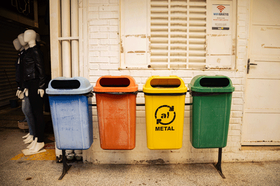
A survey of US Gen Z by Plastics Today and Packaging Digest finds that recyclability is the top sustainable packaging priority for this demographic, followed by minimal plastic content, compostable or biodegradable materials and reusable packaging. Gen Z respondents were more likely than older consumers to say they check packaging for sustainability claims before purchasing and a majority said they would pay a modest premium for products in more sustainable packaging. A significant proportion reported feeling skeptical about recyclability claims on packaging, citing confusion over labeling. [Image Credit: © Guilherme Pedrosa on Pexels]
|
FIFA Reverses Position On Reusable Bottles At World Cup |
|

|
FIFA’s ban of 2026 World Cup fans taking reusable bottles into stadiums prompted criticism and concern over sustainability and fan welfare during matches played in temperatures above 26°C. Earlier guidance allowed fans to take one factory-sealed water bottle and transparent reusable plastic bottles if label-free and only filled once inside the stadium. FIFA’s reversal stops fans bringing ‘bottles, cups, cans or any other form of closed or capped receptacle that may be thrown or cause injury’ into stadiums. [Image Credit: © Allen Boguslavsky on Pexels]
|
Unilever Bangladesh Builds Plastic Waste Value Chain |
|
|
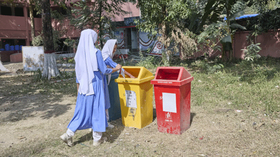
Unilever Bangladesh published an account of its work to develop a more effective plastic waste value chain in the country, partnering with informal waste collectors, aggregators and recyclers. Bangladesh faces significant plastic pollution challenges, including limited formal recycling infrastructure and a large volume of multi-layer flexible packaging. Unilever’s initiatives include training, financial support and market linkages for informal sector workers. [Image Credit: © Unilever]
|
Danish Campaign Highlights Human Microplastic Exposure |
|
|
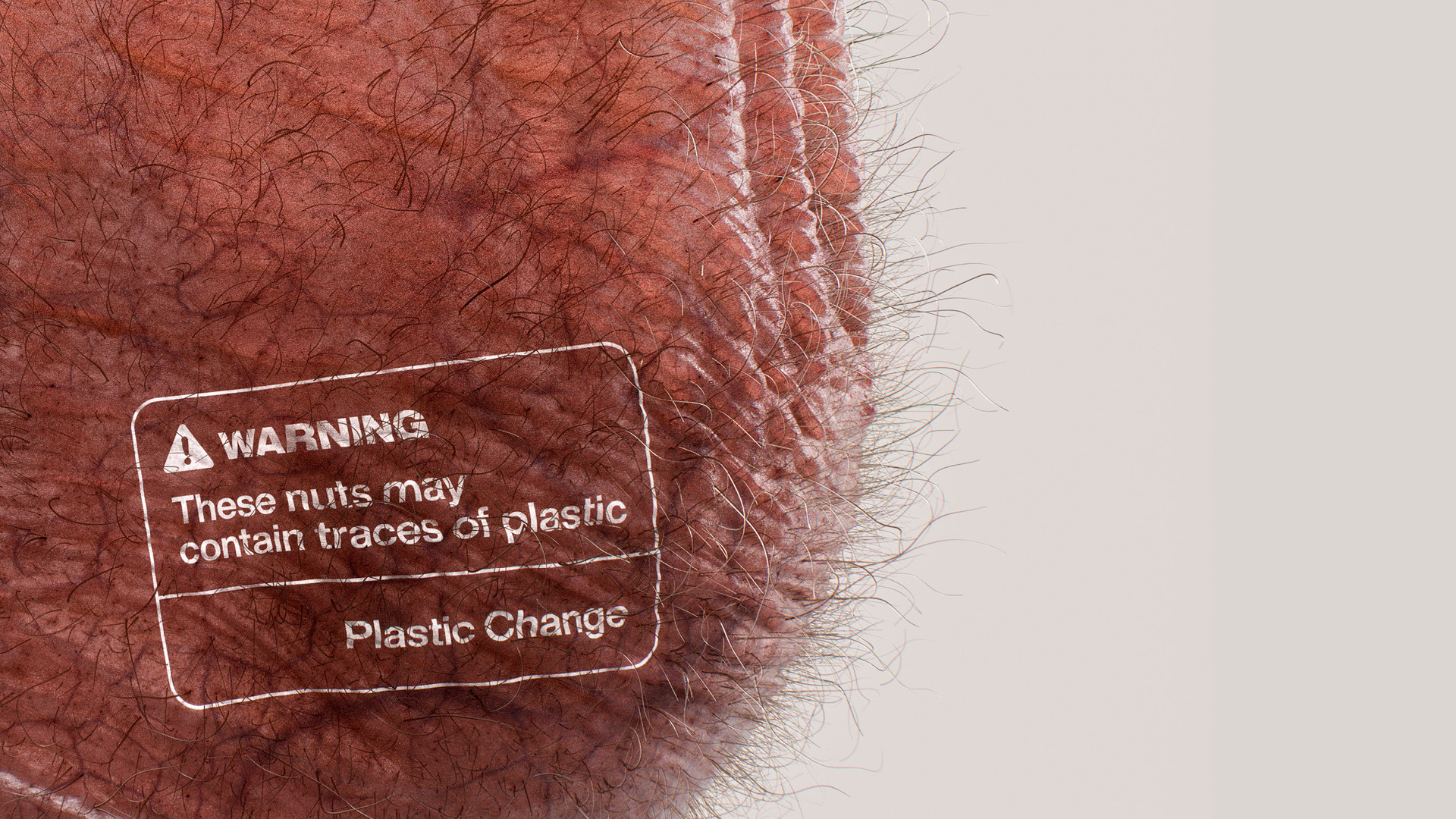
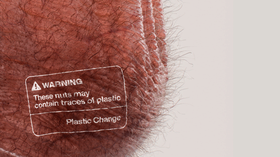
Danish nonprofit Plastic Change’s new advertising campaign uses nude imagery to illustrate the extent to which microplastics have been found in human bodies. Recognized as an ad of the day by industry publication The Drum, it aims to make microplastic exposure a more personal issue to raise awareness.[Image Credit: © Plastic Change] |
New Global Reuse Symbol Aims For Universal Recognition |
|

|
PR3: The Global Alliance to Advance Reuse unveiled a new global symbol for reusable packaging. Created by Colombian design studio Epigrama Studios after a global competition, the bright purple spiral design is intended to be as recognizable as the recycling chasing arrows symbol. Its use is tied to specific criteria in the PR3 Marking & Labeling Standard, ensuring it can only appear on packaging and infrastructure operating in verified reuse systems covering collection, sorting, washing and return. PR3 cofounder Amy Larkin states that just 9% of plastic waste is currently recycled and reuse systems can reduce single-use packaging production by up to 90%.[Image Credit: © RESOLVE]
|